September 24, 2026
Senior Living Sales Training & Census Growth Guide


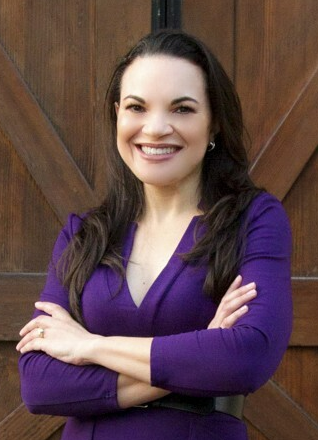
Scott Marketing and Consulting Group® is a senior living marketing agency serving small and midsize providers across the United States. Sandra previously served as VP of Sales & Marketing for three CCRCs.
Reputation is no longer controlled. It is continuously interpreted.
That’s the shift AI search made permanent, and it’s why a community can deliver excellent care and still watch inquiries slow down. For decades, reputation management meant shaping a message: polish the website, respond to the occasional review, manage the narrative. Today, AI systems like ChatGPT, Google AI, and Perplexity read everything said about your community (e.g., reviews, responses, mentions, patterns over time) and generate their own summary of who you are. Every day. For every family who asks.
You don’t get to approve that summary. You can only influence what it’s built from. That’s the new discipline of reputation management, and most communities haven’t caught up to it yet, which means the ones that do gain ground fast.
Because reputation determines who gets considered, and you can’t tour a family that never calls.
Families researching care for a parent now do their elimination round invisibly. They read reviews, compare communities, and increasingly ask an AI tool to summarize their options. Communities with strong, consistent trust signals make the shortlist. Communities with thin or contradictory signals get filtered out before anyone picks up a phone.
This is where the Occupancy Flywheel™ begins: trust forming, or failing to form, before a family ever visits your community. In my years running sales and marketing inside three CCRCs, the communities that kept their census strong weren’t the ones with the biggest ad budgets. They were the ones whose reputation did the pre-selling, whose families arrived at tours already half-convinced because everything they’d found online confirmed the same story.
What this means for your community is a soft inquiry month usually isn’t a marketing problem. It’s a sign you’re losing the invisible elimination round, and no ad spend fixes that, because ads can’t change what families find when they verify you.
AI systems don’t read your marketing. They read your evidence.
Three patterns matter most:
You can’t manufacture a reputation AI will trust. You can only operate well and make the evidence of it visible, consistent, and current.
The work you do to maintain your reputation isn’t a PR task anymore. It’s an evidence audit. Once a quarter, look at your community the way an AI system does, every profile, every review, every response, side by side. Whatever contradicts, fix that first.
Quick Reputation Check
Before you worry about improving your reputation, take five minutes and look at it the way family, or an AI system would. Pull up:
Then ask:
If the answer are inconsistent, your reputation may be less clear than you think.
Reputation isn’t a static asset. It’s a compounding system, and it’s the trust engine inside the Occupancy Flywheel™:
Specific Reviews → More Referrals → Greater Visibility → Sustainable Occupancy
Specific, authentic reviews build trust. Trust generates referrals from families, physicians, and discharge planners. Reviews and referrals together strengthen your local and AI visibility, which puts you in front of more families. More move-ins, handled well, generate more reviews, and the cycle compounds, which is exactly how reputation affects long-term occupancy across every community we work with.
The communities that understand this stop treating reputation as damage control and start treating it as a growth system. For your planning, that’s the practical shift; reputation belongs in your census strategy, not your PR crisis binder.
Three behaviors do the most damage, and all three are within your control:
Notice what’s not on this list. The negative review itself. One critical review rarely damages a community. How the community handles it decides everything that follows, which means the risk isn’t in your reviewers’ hands. It’s in yours.
The operational standard I recommend to every client:
Perfection isn’t believable. Accountability is.
Handled this way, a negative review becomes one of the most credible trust assets you have, and every accountable response strengthens the trust signals AI systems read, feeding the same flywheel that fills your community.
Reputation is no longer what you say about your community. It is what others consistently confirm.
That’s the standard to manage against. If you want an honest read on how your trust signals look from the outside, including how AI evaluates trust and reputation across the broader search landscape, assess your reputation and AI visibility with the Senior Living Census Growth Scorecard.
Reviews now function as trust signals: they shape family shortlists, influence local search rankings, and supply the evidence AI systems use to describe and recommend your community. Marketing amplifies reputation, it can’t substitute for it.
The right response is quick, personal, and free of defensiveness. Acknowledge the experience, take ownership, offer a direct contact to resolve it offline, and never discuss a resident’s specific care details publicly. A gracious response is read by hundreds of future families.
Yes, directly. Reputation determines whether your community is considered at all, how pre-sold families are when they tour, and how often you’re recommended by AI tools, physicians, and other families. Every layer of that affects census.
The difference is that control is gone and interpretation is constant. AI systems continuously synthesize reviews, responses, and mentions into their own summary of your community. The job now is making sure the evidence they read is consistent, specific, and current.
Review platforms and your Google Business Profile should be checked weekly at minimum, with responses inside 48 hours. Quarterly, check what AI tools actually say when asked about communities in your area. That’s your reputation as families now encounter it.
If you’re not sure what AI systems and review platforms are telling families about your community, I’d love to understand where you are and where you want to go. Schedule a free 20-minute consultation. No pitch, just an honest conversation.
Sandra Scott is the CEO and Founder of Scott Marketing and Consulting Group® (SMCG®), a senior living and healthcare marketing agency serving small and midsize providers across the United States. Before founding SMCG®, she served as VP of Sales & Marketing for three CCRCs, where she trained sales teams, managed marketing and sales generating more than $52 million in annual revenue, and achieved 92% presales two years before a community’s opening. She was named 2023 Innovator of the Year by the Residential Assisted Living Association, and SMCG® was recognized as a Top GEO Agency (2026) by First Page Sage.
Explore More Strategies for Building Trust & Visibility:
.jpg)