September 24, 2026
Senior Living Sales Training & Census Growth Guide

Sandra Scott is the CEO and Founder of Scott Marketing and Consulting Group® (SMCG®), a senior living and healthcare marketing agency serving small and midsize providers across the United States. Before founding SMCG®, she served in sales leadership roles in hospitality and as VP of Sales & Marketing for three CCRCs, where she trained sales teams, managed operations generating more than $52 million in annual revenue, and achieved 92% presales two years before a community’s opening. She was named 2023 Innovator of the Year by the Residential Assisted Living Association, and SMCG® was recognized as a Top GEO Agency (2026) by First Page Sage.
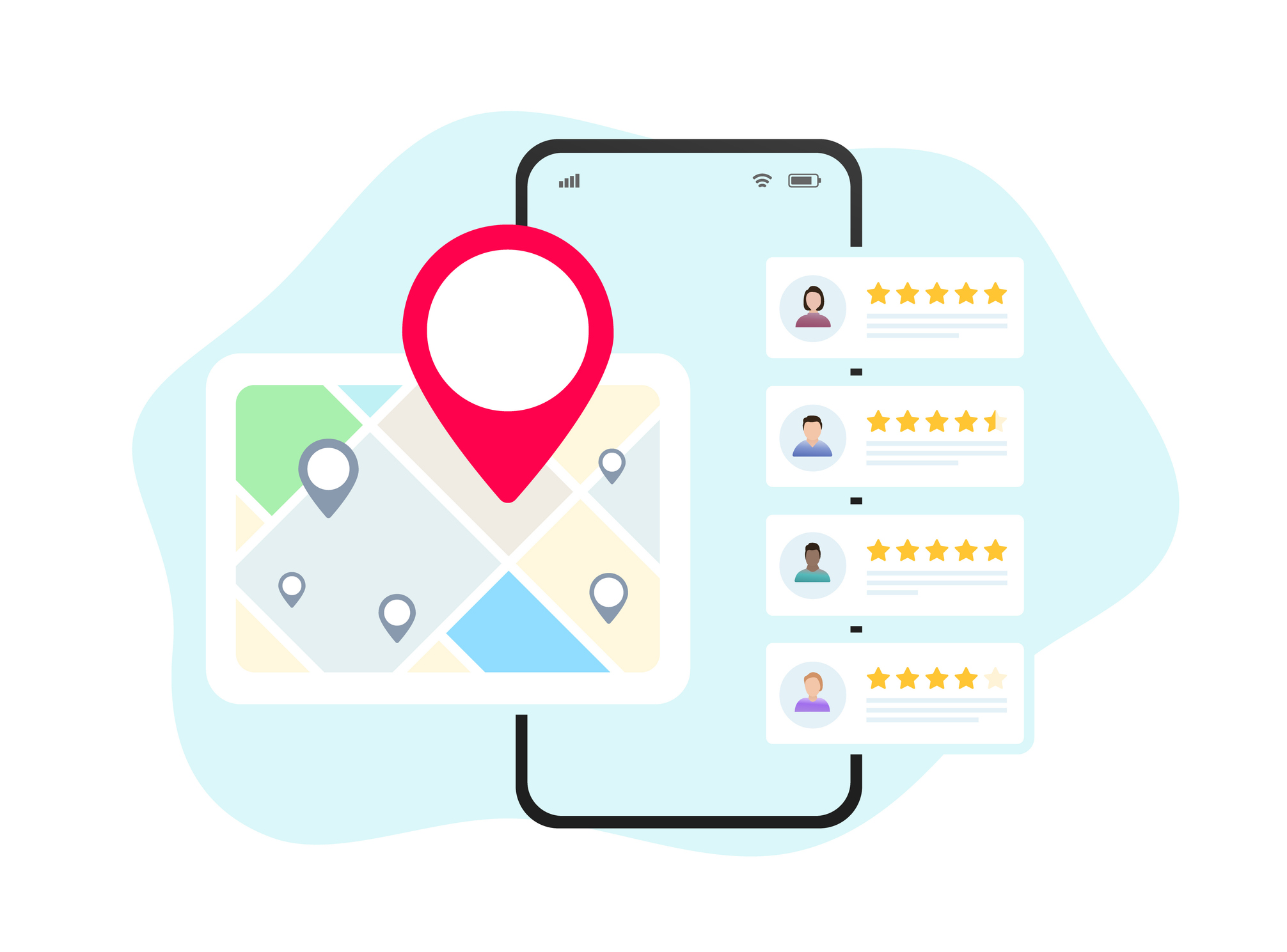
If your census is flat while the corporate property down the road keeps filling, your reviews may be quietly hurting you. Reviews are no longer nice to haves for your marketing content. They are trust signals, and they now influence whether your community gets considered at all by families reading them, by Google ranking you locally, and by AI systems like ChatGPT and Google AI deciding whether to recommend you when a family asks for help.
You can run an exceptional community and still lose families you never met, because the decision was made on a screen before your phone ever rang. A community with thin, generic reviews isn’t just less persuasive. It’s increasingly invisible.
Most communities still treat reviews as a vanity metric. That is, get the 5-star rating and ignore the substance. The communities growing census in 2026 treat reviews as an operational system with timing, specificity, and strategy behind it.
Families don’t read reviews the way they read brochures, they read them like testimony. They’re looking for evidence that real people, in situations like theirs, were treated well during a vulnerable time. Review quality matters, but so does recency. BrightLocal’s 2026 Local Consumer Review Survey found that 74% of consumers seek reviews written within the last three months, underscoring why a five-star reputation isn’t enough if your most recent feedback is outdated.1
The behavior shift matters because most families now form a shortlist before they ever contact a community. They’ve read your reviews, compared them to your competitors’, and often asked an AI tool which communities are best near them. This is where the Occupancy Flywheel™ quietly begins: trust starts forming, or failing to form, before a family ever visits your community.
When I managed sales for three CCRCs, families regularly arrived at tours mentioning things they’d read online. The decision journey starts long before families enter your lobby. What this means for senior living providers is your review profile is having your first sales conversation for you, every day, whether you’re managing it or not, and an unmanaged profile is usually working for your competitors.
Because “Great place, friendly staff. 5 stars!” tells a family nothing they can act on. It does not answer any questions. And it doesn’t address why they’re searching. It could describe any community in America and families know it.
Generic reviews come up short twice. Families can’t find their own situation in them, and AI systems, which read what reviews actually say rather than just the star count, find nothing to use.
AI systems don’t trust ratings alone. They trust specific experiences.
A review that says “staff were friendly” could describe any community. A review that says, “The nursing team called me after every medication change for my father, and Andrea, the social worker, helped us navigate every transition” tells families what life at your community actually feels like. It also gives AI systems something concrete to evaluate.
That’s the single most important shift operators need to understand this year. A 4.9-star average built on one-line reviews earns less trust than a 4.6 built on detailed, specific stories. So, what does it mean for you? Stop relying on the number of stars and start reading your last twenty reviews the way a stranger would. If they could describe any community in your market, you don’t have a rating problem, you have a substance problem, and substance is fixable.
Before you invest another dollar generating more reviews, take five minutes and look at the reviews you already have. Pull up your last 20 online reviews and ask:
If most of your reviews fall into the last category, you don’t have a star-rating problem. You have a specificity problem. And specificity is what builds trust with both families and AI systems.
The reviews that move families to call share three traits:
You can’t script these. But you can absolutely create the conditions for them which comes down to when and how you ask. For operators, this means great reviews don’t come from marketing. They come from great care and good timing.
The communities with the best reviews aren’t better at asking. They’re better at noticing the moments worth asking about.
Timing is the most overlooked part of review strategy. Ask at the wrong moment and you get a polite one sentence comment. Ask at the right moment and you get the detailed story that helps the next ten families choose you.
The right moments are the ones that matter most to the family:
In each case, the family has a specific story fresh in their mind. That’s exactly when the ask should happen personally, by a team member they trust, not by an automated email three months later. For your team, this is a process change, not a campaign. Build asking for the review into your care milestones the same way you build in family updates, and specific reviews become a byproduct of operating well and providing great care.
A great review is a referral you can read.
The same trust that prompts a daughter to write three detailed paragraphs about your memory care team is the trust that makes her recommend you to her neighbor, her mother’s physician, and her church group.
This is the Occupancy Flywheel™ at work. Genuine care creates specific reviews, specific reviews create trust and visibility, trust creates inquiries and referrals, and referrals grow census which supports more of what made the care great. Reviews aren’t a separate channel from referrals. They’re the public half of the same system, and how trust-driven systems increase occupancy is the idea at the heart of our census growth guide.
What this means for your marketing budget is that every specific review you earn is a referral asset that keeps working for years, at zero cost per lead. Few line items in your marketing spend can claim that.
This is where 2026 differs from every previous year. When a family asks ChatGPT, Perplexity, or Google AI “what’s the best assisted living near me,” those systems create an answer from the trust signals available, and review content is one of the richest signals they have.
AI systems read for consistency (e.g., do many reviewers describe the same strengths?), specificity (e.g., are there names, details, real events?), and sentiment patterns over time. A community whose reviews repeatedly mention attentive staff and clear communication gets described that way in AI-generated answers. A community with sparse or generic reviews gives AI nothing to say so it says nothing and recommends someone else.
Reviews are also one of the strongest inputs into how reviews influence local search visibility, and how you respond to them shapes how reputation builds trust before families ever tour. This is the visibility layer of the Occupancy Flywheel™ that demonstrates the effect your reviews and referrals create and where the trust you’ve built starts determining whether you get considered at all.
The bottom line for your community is that your review strategy is now your AI strategy. If you want to know how your reviews are actually performing, assess your reputation and AI visibility with the Senior Living Census Growth Scorecard.
Reviews shape which communities make a family’s shortlist, influence local search rankings, and feed the trust signals AI systems use when recommending communities. More qualified inquiries from better-trusted sources convert at higher rates which shows up directly in census.
Better reviews come from asking personally, at the moments that matter most: after care milestones, meaningful events, and successful transitions. A trusted team member asking at the right moment produces specific, detailed reviews; automated requests produce one-liners.
A good review is specific. Staff names, real events, and care details give the next family evidence they can act on and give AI systems substance to evaluate. One detailed story outweighs a dozen generic five-star ratings.
Yes. Respond promptly, personally, and without defensiveness to every review. Responses are read by future families and interpreted by AI systems as part of your trust profile. A gracious, accountable response to criticism often builds more trust than the original praise.
Yes. AI systems evaluate review consistency, specificity, and sentiment when generating recommendations. Communities with rich, detailed review content get described and recommended; communities without it get skipped.
If you’re working to turn genuine resident experiences into the kind of trust that fills your community, let’s talk about what’s actually possible. Schedule a free 20-minute consultation.
Sources
[1] BrightLocal.
“Local Consumer Survey 2026: Local Consumer Review Survey 2026: Star Ratings Keep Rising, Old Reviews Don’t Cut It.”
https://www.brightlocal.com/research/local-consumer-review-survey/.
Accessed July 2026.
Explore More Strategies for Building Trust with Families:
.jpg)